
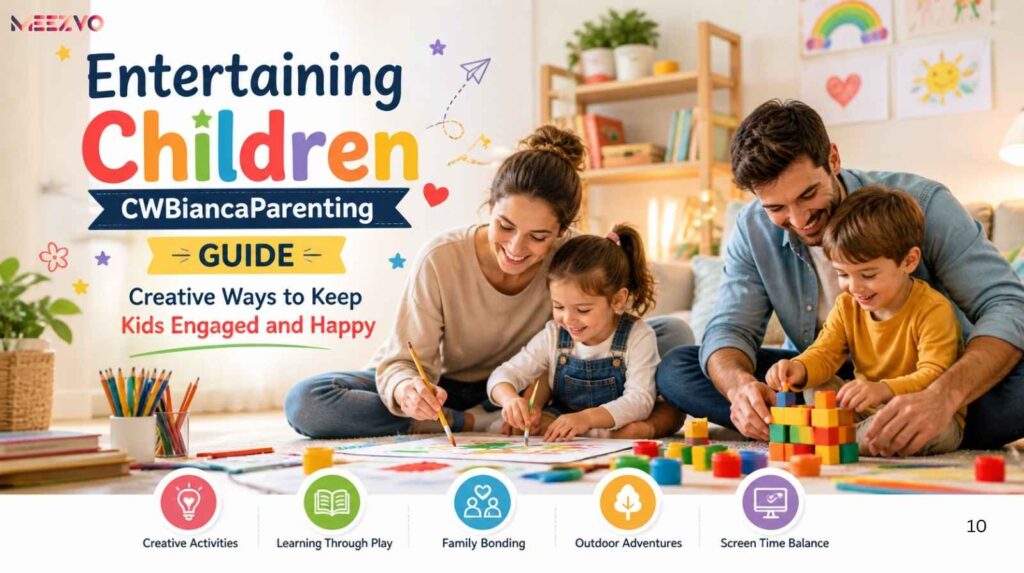
Keeping children engaged today feels harder than ever. Screens compete for attention. Busy schedules leave little room for creativity. Yet deep down, every parent wants something simple happy, curious, emotionally strong kids.
That’s exactly where Entertaining children cwbiancaparenting comes in. It isn’t about keeping kids “busy.” It’s about creating meaningful experiences that shape how they think, feel, and grow.
This guide breaks it all down. You’ll learn practical, real-world strategies. No fluff. No vague advice. Just clear, actionable methods you can start using today.
Why Entertaining Children Feels Harder Today
Children today grow up in a fast-moving digital world. Attention spans shrink. Instant gratification becomes normal. As a result, traditional kids activities at home often fail to hold their interest.
Here’s what’s really happening:
- Overstimulation from screens reduces patience
- Passive entertainment limits creativity
- Lack of structured engagement leads to boredom
However, boredom itself isn’t the enemy. In fact, it’s often the starting point of creativity.
“Boredom is the space where imagination begins to grow.”
The real problem? Many parents feel pressure to constantly entertain. That leads to exhaustion.
Instead, the goal should shift:
👉 From entertaining kids → to teaching them how to engage themselves
What Is Entertaining Children CWBiancaParenting? (Core Concept)
At its core, CWBiancaParenting is a parenting style for child development that blends:
- Intentional play
- Play-based learning
- Emotional bonding
- Interactive learning
It moves away from passive distractions and focuses on creative engagement.
Key Principles of CWBiancaParenting
| Principle | What It Means | Real Example |
|---|---|---|
| Engagement over distraction | Kids actively participate | Building a fort instead of watching TV |
| Connection over control | Parents join the activity | Cooking together |
| Creativity over consumption | Kids create, not just consume | Drawing, storytelling |
| Balance over restriction | Screens are used wisely | Educational apps with limits |
This approach supports holistic child development mentally, emotionally, and socially.
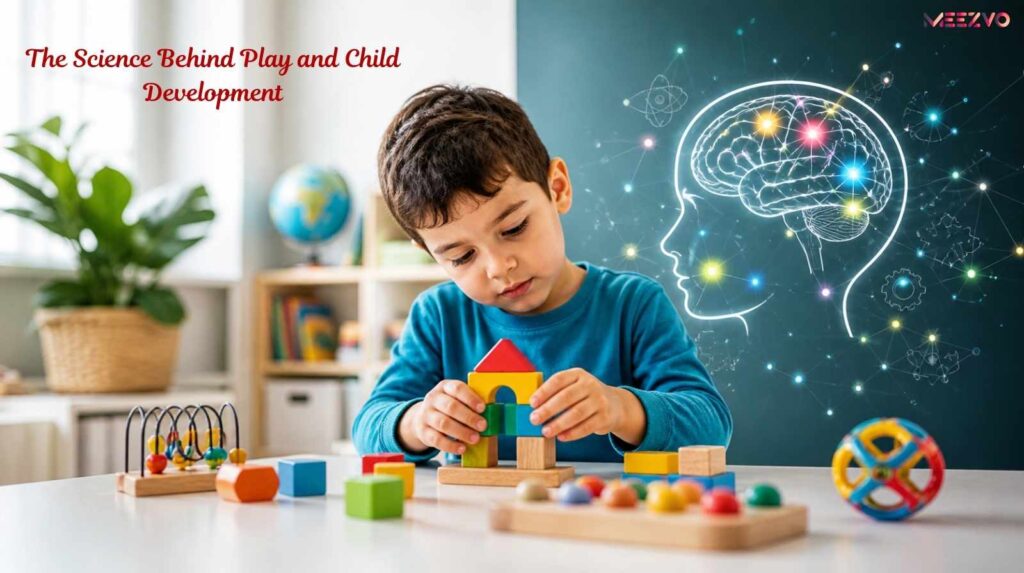
The Science Behind Play and Child Development
Play isn’t just fun. It’s essential.
Research in child developmental studies and play-based education research shows that play directly impacts:
- Cognitive development in kids
- Emotional intelligence in children
- Problem-solving skills
- Language development
How Play Shapes the Brain
When kids engage in learning through play, their brains:
- Build stronger neural connections
- Improve memory retention
- Develop critical thinking
Structured vs Unstructured Play
| Type | Benefits |
|---|---|
| Structured play | Teaches rules, discipline, teamwork |
| Unstructured play | Boosts creativity, imagination, independence |
Both matter. A healthy mix creates balanced growth.
Intentional Play: Turning Daily Life Into Learning
Here’s where things get powerful.
Intentional play for children means using everyday moments as learning opportunities.
You don’t need expensive toys. You need awareness.
Everyday Activities That Teach
- Cooking activities for kids
- Learn measurements (math)
- Explore textures (sensory skills)
- Cleaning games
- Teach responsibility
- Build routines
- Shopping trips
- Decision-making
- Budget awareness
Example: Simple Intentional Play
Instead of saying:
👉 “Help me cook.”
Try:
👉 “Let’s build the best pizza ever.”
Now it becomes:
- A game
- A learning experience
- A bonding moment
Indoor Activities for Children That Actually Work
Indoor time doesn’t have to mean boredom or screens.
Creative Arts and Crafts for Kids
Hands-on creativity builds:
- Fine motor skills
- Creativity development
- Concentration improvement
Ideas You Can Try Today
- DIY greeting cards
- Paper crafts and handmade decorations
- Drawing and painting challenges
Tip: Use everyday items. Kids don’t need fancy tools.
Imagination Games and Storytelling
Storytelling for children is one of the most powerful tools for development.
It improves:
- Language development
- Imagination enhancement
- Empathy development
Fun Storytelling Activities
- “Finish the story” games
- Role-play activities (doctor, teacher, explorer)
- Create-your-own fairy tale
Quiet Yet Engaging Activities
Not every activity needs high energy.
Some of the best educational activities for kids are calm.
- Puzzles (boost problem solving)
- Reading sessions (build focus)
- Board games (teach strategy)
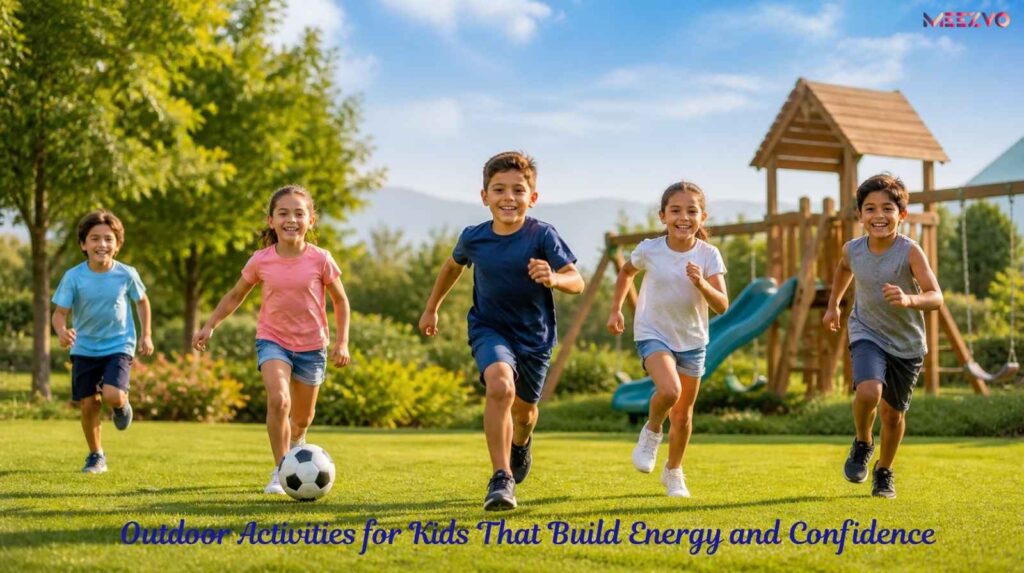
Outdoor Activities for Kids That Build Energy and Confidence
Kids need movement. It fuels both body and mind.
Garden Play and Nature Exploration
Simple outdoor ideas:
- Gardening activities
- Nature scavenger hunts
- Observing insects and plants
These activities support:
- Experiential learning
- Curiosity growth
- Practical learning
Physical Fitness and Movement-Based Fun
Children thrive on movement.
Try:
- Running races
- Relay challenges
- Obstacle courses
These boost:
- Confidence building
- Physical fitness
- Teamwork games
Family Sports and Group Activities
Family involvement makes activities more meaningful.
Examples:
- Football matches
- Weekend sports challenges
- Group games
These strengthen:
- Social interaction
- Family bonding activities
Learning Through Play: Making Education Fun
Learning doesn’t have to feel like school.
Gamifying Education
Turn lessons into games:
- Math through cooking
- Vocabulary through storytelling
- Science through gardening
Fun Learning Techniques
| Skill | Activity |
|---|---|
| Math | Counting ingredients |
| Language | Storytelling sessions |
| Science | Garden experiments |
| Logic | Puzzle solving |
Smart Screen Time Management for Kids
Screens aren’t the enemy. Misuse is.
Healthy Screen Time Framework
- Set daily limits
- Choose educational apps for children
- Encourage interactive content
Passive vs Active Screen Use
| Type | Example |
|---|---|
| Passive | Watching random videos |
| Active | Learning apps, problem-solving games |
Creating a Digital Balance
A strong digital balance means:
- Screens don’t replace play
- Kids stay active
- Learning remains interactive
Encouraging Active Participation
Kids lose interest when they feel controlled.
Give them ownership.
How to Increase Engagement
- Let kids choose activities
- Ask open-ended questions
- Encourage creativity
Instead of:
👉 “Do this.”
Try:
👉 “What do you want to create today?”
Family Bonding Activities That Actually Work
Strong families don’t happen by accident. They’re built through shared moments.
Meaningful Shared Experiences
- Movie nights
- Cooking together
- Weekend adventures
These create:
- Emotional bonding
- Trust building
- Shared memories
Building Communication Through Play
Play opens communication naturally.
Children express emotions more easily during activities.
That leads to:
- Better understanding
- Stronger relationships
- Emotional safety
7-Day Activity Plan (Ready to Use)
Here’s a simple weekly plan:
| Day | Activity |
|---|---|
| Monday | Arts and crafts |
| Tuesday | Storytelling |
| Wednesday | Outdoor play |
| Thursday | Puzzle and reading |
| Friday | Cooking activity |
| Saturday | Family sports |
| Sunday | Movie + discussion |
Flexible. Simple. Effective.
Common Parenting Mistakes (And Fixes)
Mistake vs Solution
| Mistake | Fix |
|---|---|
| Overusing screens | Set limits |
| Over-scheduling | Allow free play |
| Forcing activities | Follow child interest |
| Ignoring boredom | Use it creatively |
Latest Research on Child Engagement
Modern interactive learning research shows:
- Kids learn faster through play-based learning
- Parent-child interaction improves emotional growth
- Reduced screen time improves focus
Studies like Talaga et al. (2020) highlight the importance of active participation in learning.
FAQs
What is entertaining children cwbiancaparenting?
It’s a method of combining play, learning, and emotional connection.
Why is play important?
It drives cognitive development, creativity, and emotional growth.
Can kids use digital devices?
Yes. With proper screen time management.
What age is it for?
Suitable for all ages with activity adjustments.
How does it help family bonding?
It creates shared experiences and improves communication.
Conclusion
You don’t need perfect plans. You need intentional effort.
Start small.
- One activity a day
- One shared moment
- One creative idea
Over time, those small actions build something powerful:
👉 Confident kids
👉 Strong relationships
👉 Meaningful childhood memories
That’s the real goal of Entertaining children cwbiancaparenting.
And it starts today.
Read more knowledgeable blogs on meezvo.com

Ruby Brabyn is an expert blogger exploring meanings, decoding words, concepts, and language to deliver clear, insightful explanations that make understanding ideas simple and engaging.