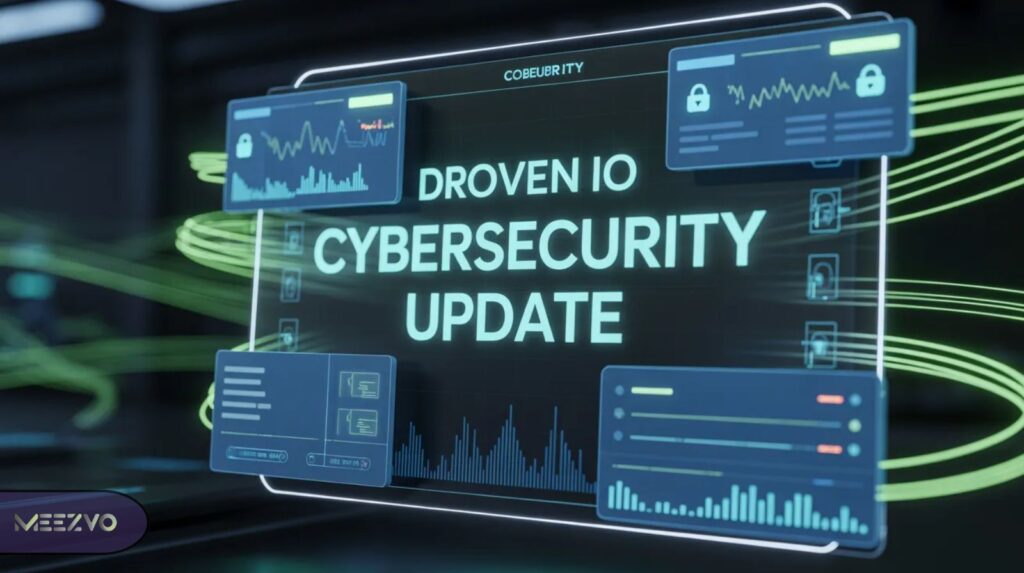
Cybersecurity in 2026 doesn’t feel like a background concern anymore. It sits right in front of you. Every login. Every email. Every file you store in the cloud.
One careless click can open the door. One weak password can unravel everything.
That’s exactly where Droven io cybersecurity updates step in. They don’t overwhelm you with technical jargon. Instead, they break down real-world threats and show you how to stay safe without needing an IT degree.
This guide goes deeper. You’ll explore real threats, modern defenses, and practical steps you can apply today. No fluff. Just what actually works.
What Are Droven io Cybersecurity Updates? (Clear Explanation You Can Trust)
At its core, Droven io cybersecurity updates are educational resources designed to simplify cybersecurity for everyday users.
This isn’t antivirus software. It’s not a firewall. It’s something more practical.
It’s awareness content built around:
- Threat explanations
- Protection guides
- Trends insights
- Real-world case breakdowns
Think of it as your cybersecurity translator. It takes complex topics like zero trust architecture, AI-powered threat detection, and data protection and explains them in plain English.
What Makes Droven io Different?
Most cybersecurity platforms focus on tools. Droven io focuses on understanding.
Here’s how it stands out:
| Feature | Traditional Platforms | Droven io |
|---|---|---|
| Focus | Tools & software | Education & awareness |
| Audience | IT professionals | Beginners & businesses |
| Content Style | Technical | Simplified & practical |
| Use Case | Implementation | Learning & prevention |
You don’t just read. You learn how attacks actually happen.
Why Cybersecurity Updates Matter More Than Ever in 2026
Cybersecurity used to be reactive. Something breaks. Then you fix it.
Not anymore.
Now, threats evolve faster than defenses. If you don’t stay updated, you fall behind. Simple as that.
The Reality You Can’t Ignore
- 95% of cyberattacks involve human error
- Phishing attacks have increased by over 300%
- Ransomware incidents jumped by 150%
- Average data breach cost reached $4.45 million
- Detection time still averages 200+ days
Let that sink in. Most attacks don’t rely on hacking skills. They rely on you making a mistake.
Why Updates Are Critical
Cybersecurity updates give you:
- Awareness before exposure
- Prevention before damage
- Clarity before confusion
Without them, you’re guessing. With them, you’re prepared.
Cybersecurity Trends 2026: What’s Actually Changing
Trends shape the battlefield. If you don’t understand them, you’re fighting blind.
AI vs AI: The New Cybersecurity Arms Race
Artificial intelligence isn’t just helping defenders. Attackers use it too.
AI-powered cyberattacks now:
- Generate realistic phishing emails
- Mimic human writing styles
- Automate malware deployment
At the same time, AI cybersecurity systems detect:
- Behavioral anomalies
- Suspicious login patterns
- Real-time threats
It’s a digital chess match. Fast. Relentless.
Ransomware Growth: More Than Just Encryption
Ransomware used to lock your files. Now it does much more.
Modern attacks involve:
- Data theft before encryption
- Public data leaks
- Double extortion tactics
Small businesses feel it the most.
- 43% of attacks now target small companies
- Many shut down within months
Cloud Security Risks You Can’t Ignore
Cloud computing powers everything today. But it also creates new risks.
Most data breaches now happen due to:
- Misconfigured cloud storage
- Weak access controls
- Lack of encryption
Key Technologies You Should Know
- AES-256 encryption for data protection
- TLS 1.3 protocols for secure transmission
- Cloud security solutions for monitoring
The biggest threat isn’t the cloud itself. It’s how people use it.
Zero Trust Security Model (ZTA 2.0)
The old rule: trust users inside the network.
The new rule: trust no one.
Zero trust security works on one principle:
“Never trust. Always verify.”
That means:
- Every login gets checked
- Every device gets verified
- Every request gets monitored
This model reduces unauthorized access dramatically.
IoT & Smart Device Risks
Your smart TV. Your security camera. Even your fridge.
They all connect to the internet. And most have weak security.
Common issues:
- Default passwords
- No updates
- Open network access
One weak device can expose your entire network.
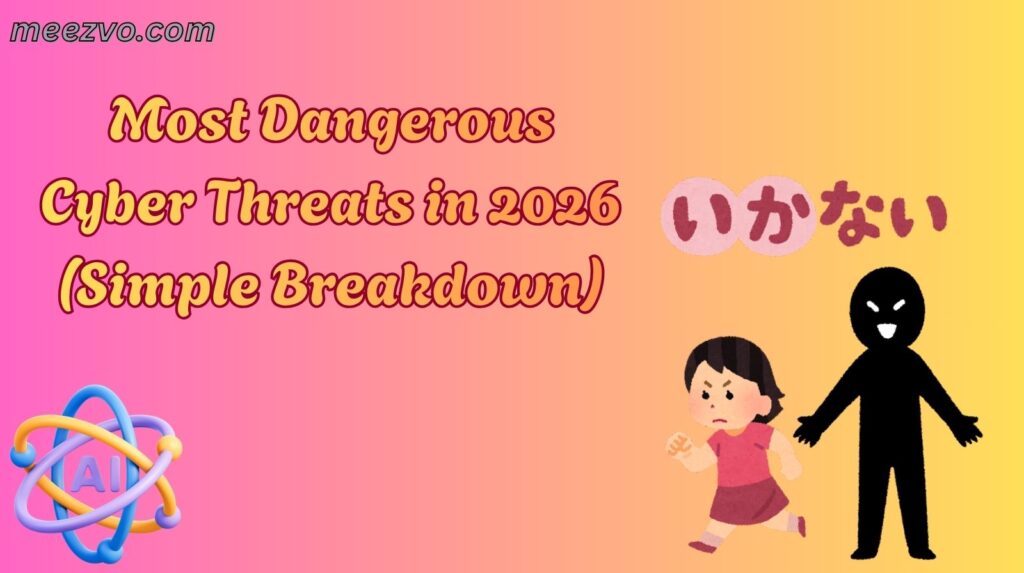
Most Dangerous Cyber Threats in 2026 (Simple Breakdown)
Let’s cut through the noise. These are the threats you’re most likely to face.
Phishing Attacks (Now Smarter Than Ever)
Phishing isn’t just fake emails anymore.
Today, attackers use:
- AI-generated emails
- Deepfake voice calls
- Fake login pages
These attacks look real. That’s what makes them dangerous.
Signs to Watch For:
- Suspicious links
- Urgent messages
- Unexpected attachments
One click can lead to identity theft.
Malware & Ransomware Attacks
Malware is everywhere.
Every day, over 500,000 new malware variants appear.
Ransomware is worse. It locks your data and demands payment.
Common Entry Points:
- Email attachments
- Fake downloads
- Compromised websites
Zero-Day Exploits (0-Day Threats)
A zero-day exploit targets vulnerabilities no one knows about yet.
No patch. No fix. No warning.
That’s why they’re so dangerous.
Data Breaches & Credential Leaks
Weak passwords cause massive damage.
Many users still:
- Reuse passwords
- Use simple combinations
- Skip MFA
Attackers collect credentials and sell them on the dark web.
How Droven io Helps You Stay Safe Online
This is where Droven io cybersecurity updates shine.
They don’t just describe threats. They show you how to avoid them.
What You Get:
- Clear explanations of modern threats
- Practical protection guide strategies
- Real-world examples
- Regular updates based on new risks
You learn how cyberattacks happen, not just what they are.

Cybersecurity Best Practices You Should Follow in 2026
Let’s keep this simple. These are non-negotiable.
Personal Security Essentials
- Use password security best practices
- 12–16 characters
- Avoid reuse
- Enable multi-factor authentication (MFA)
- Use a password manager
- Avoid clicking unknown links
- Keep devices updated
Business-Level Protection
- Train employees on phishing attacks
- Use endpoint detection and response (EDR)
- Implement SIEM systems
- Maintain regular backups
Quick Wins vs Long-Term Strategy
| Quick Wins | Long-Term Strategy |
|---|---|
| Enable MFA | Adopt zero trust |
| Update software | Invest in XDR |
| Backup data | Security training programs |
Real-World Cybersecurity Case Studies
Case Study: Phishing Attack on Small Business
A small company received a fake invoice email.
It looked legitimate. The employee clicked.
Result:
- Credentials stolen
- Bank account compromised
- Financial loss within hours
Lesson:
Human error caused it. Not technology.
Case Study: Ransomware Incident
An outdated system got infected.
Within minutes:
- Files encrypted
- Operations stopped
- Ransom demanded
No backups. No recovery.
Cybersecurity for Individuals vs Businesses
| Factor | Individuals | Businesses |
|---|---|---|
| Risk | Identity theft | Data breaches |
| Threat | Phishing | Ransomware |
| Defense | Awareness | Systems + training |
Tools & Technologies Mentioned in Droven io Content
Understanding tools helps you make better decisions.
Core Security Tools:
- SIEM (Security Information and Event Management)
- EDR & XDR systems
- Antivirus software
- VPNs
- MFA solutions
Common Cybersecurity Mistakes to Avoid
Most attacks succeed because of simple mistakes.
Avoid these:
- Weak passwords
- Ignoring updates
- Clicking unknown links
- No backups
- Overconfidence in antivirus
Cybersecurity Myths vs Facts
| Myth | Reality |
|---|---|
| “I won’t be targeted” | Everyone is a target |
| “Antivirus is enough” | It’s just one layer |
| “Strong password is enough” | MFA is essential |
Step-by-Step Cybersecurity Checklist (2026)
Follow this checklist. No shortcuts.
- Enable MFA everywhere
- Use strong passwords
- Update systems regularly
- Backup data weekly
- Avoid suspicious links
- Secure Wi-Fi networks
Key Cybersecurity Statistics You Should Know in 2026
- 95% attacks involve human error
- 300% phishing increase
- 150% ransomware growth
- $4.45M average breach cost
- 200+ days detection delay
These numbers aren’t random. They show a pattern.
Future of Cybersecurity (2026–2030)
The future looks intense.
Expect:
- AI-driven security systems
- Passwordless authentication
- Biometric verification
- Automated threat response
Cybersecurity will become smarter. But so will attackers.
Is Droven io Reliable for Cybersecurity Learning?
Yes. For the right purpose.
Strengths:
- Beginner-friendly
- Easy explanations
- Updated insights
Limitations:
- Not a replacement for tools
- Not for advanced technical deep dives
FAQs About Droven io Cybersecurity Updates
What is Droven io cybersecurity update?
It’s an educational platform offering cybersecurity awareness, trends insights, and protection guides.
Is Droven io a tool or blog?
It’s an awareness content platform, not a software tool.
How does it help beginners?
By simplifying complex threats into easy, actionable advice.
Final Thoughts: Stay Ahead or Stay Vulnerable
Cybersecurity isn’t optional anymore.
It’s a daily habit.
You don’t need to become an expert. But you do need awareness.
That’s where Droven io cybersecurity updates and even droven.io usa tech market updates play a powerful role.
They keep you informed. Prepared. One step ahead.
Because in today’s digital world, the safest user isn’t the smartest.
It’s the most aware.
Read more knowledgeable blogs on meezvo.com

Ruby Brabyn is an expert blogger exploring meanings, decoding words, concepts, and language to deliver clear, insightful explanations that make understanding ideas simple and engaging.