
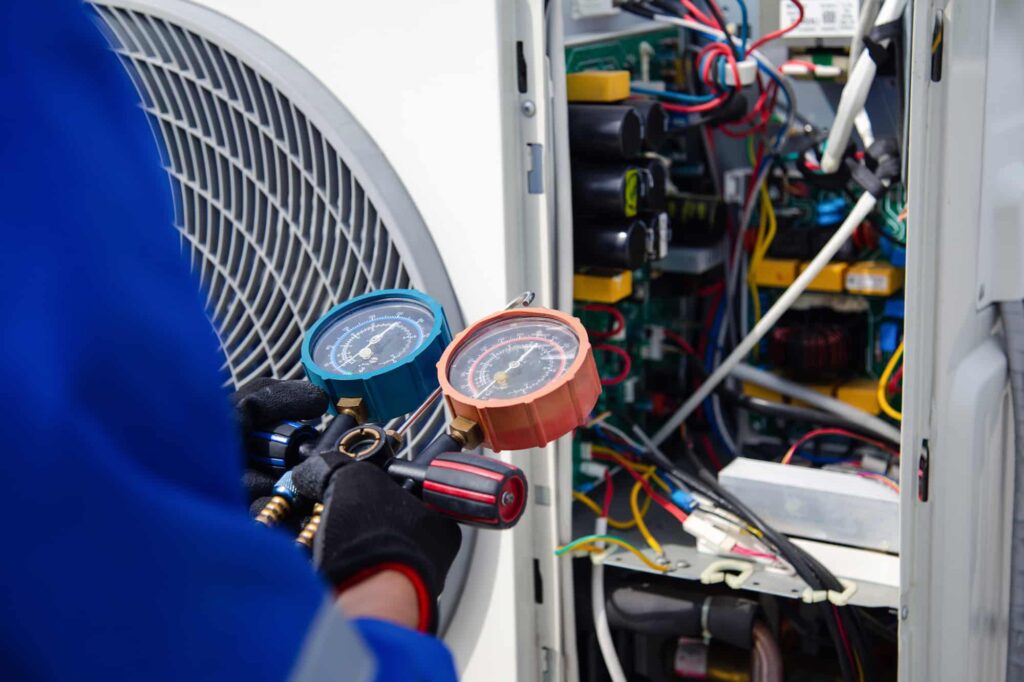
Regular HVAC service matters because heating and cooling equipment operate year-round amid changing temperatures, dust, moisture, and daily use. A system may still turn on even when hidden parts are wearing down, airflow is restricted, or electrical components are under strain. Without routine care, small issues can gradually reduce comfort and increase energy use before a clear breakdown occurs. Service visits help keep the system clean, balanced, and ready for demand. They also give homeowners a better understanding of equipment condition, repair timing, and ways to protect long-term performance through steady maintenance rather than emergency reactions at home.
Why Service Matters
- Cleaner Operation Reduces Strain
Regular service helps HVAC equipment perform more consistently because clean parts can move air and transfer heat with less strain. Filters, coils, blower components, burners, drain lines, and outdoor units all affect how smoothly the system runs. When dirt builds up on coils or airflow becomes restricted, the unit must work longer to reach the thermostat setting. That extra run time can increase energy use and wear down moving parts faster. During a service visit, a technician can clean key areas, check airflow, and make sure the system is not fighting preventable restrictions. Homeowners who work with Tuck & Howell Plumbing, Heating & Air may be trying to keep their equipment ready for both heating and cooling seasons rather than waiting for comfort problems to arise. Consistent care allows the system to operate closer to its intended performance level, which supports steadier temperatures, safer operation, and better efficiency over time.
- Early Checks Prevent Larger Trouble
Routine service also helps catch worn parts before they create larger system trouble. HVAC equipment depends on many connected components, including motors, capacitors, belts, fans, wiring, sensors, igniters, flame sensors, refrigerant lines, and safety controls. When one part begins to weaken, other parts may have to work harder. A loose electrical connection can create heat and unreliable operation. A weak capacitor can make a motor struggle to start. A clogged drain can lead to moisture damage or system shutdowns. A worn blower part can reduce airflow and affect comfort throughout the home. During maintenance, these issues can be checked while they are still manageable. This early attention can reduce surprise breakdowns during extreme weather, when the system is under the most pressure. It can also help homeowners plan repairs with less stress, because the problem is found during a scheduled visit rather than after the house becomes uncomfortable to live in.
- Better Adjustment Supports Efficiency
Regular HVAC service can also protect energy use by keeping the system properly adjusted. A heating or cooling unit that runs with dirty coils, low airflow, poor thermostat response, or aging controls may use more power while delivering weaker comfort. Many homeowners respond by changing thermostat settings, but that usually makes the equipment run longer. Service visits help identify why comfort is slipping and whether the cause is airflow, control settings, refrigerant performance, drainage, or mechanical wear. When the system is checked and adjusted, it can heat or cool more efficiently without unnecessary strain. This matters because energy waste often develops slowly. A small decline may not seem urgent at first, but month after month, it can raise operating costs and reduce equipment life. Regular maintenance gives the system a better chance to run in a stable pattern, which helps keep utility use more predictable and comfort easier to manage.
- Longer Equipment Life Through Care
Long-term system performance also depends on protecting equipment from premature failure. HVAC systems are a major investment, and neglect can shorten their usable years. Dirt, vibration, moisture, loose parts, blocked airflow, and overheating can all place stress on the system. Over time, that stress can affect motors, compressors, heat exchangers, fans, and control boards. Regular service helps reduce this wear by keeping the unit cleaner, safer, and better balanced. It also creates a maintenance record that can be useful for warranty questions, home sales, and future repair decisions. A technician can tell whether the system is aging normally or showing signs of deeper trouble. That information helps homeowners decide when to repair, when to improve airflow, and when replacement may eventually make sense. Instead of treating the HVAC system as something to notice only when it fails, service makes it a planned part of home care and budgeting.
Reliable Comfort Takes Maintenance
Regular HVAC service matters because it supports cleaner operation, steady comfort, lower strain, and better long-term performance. It helps detect worn parts early, improves airflow, reduces energy use, and lowers the risk of sudden breakdowns under heavy demand. A maintained system can respond more reliably through hot summers, cold winters, and changing seasons. It also gives homeowners clearer information about repair needs and the condition of equipment. While no service visit can prevent every future problem, routine care can reduce avoidable wear and help the system last longer. For comfort, cost control, and reliability, regular maintenance is a practical choice for the home.

Ruby Brabyn is an expert blogger exploring meanings, decoding words, concepts, and language to deliver clear, insightful explanations that make understanding ideas simple and engaging.